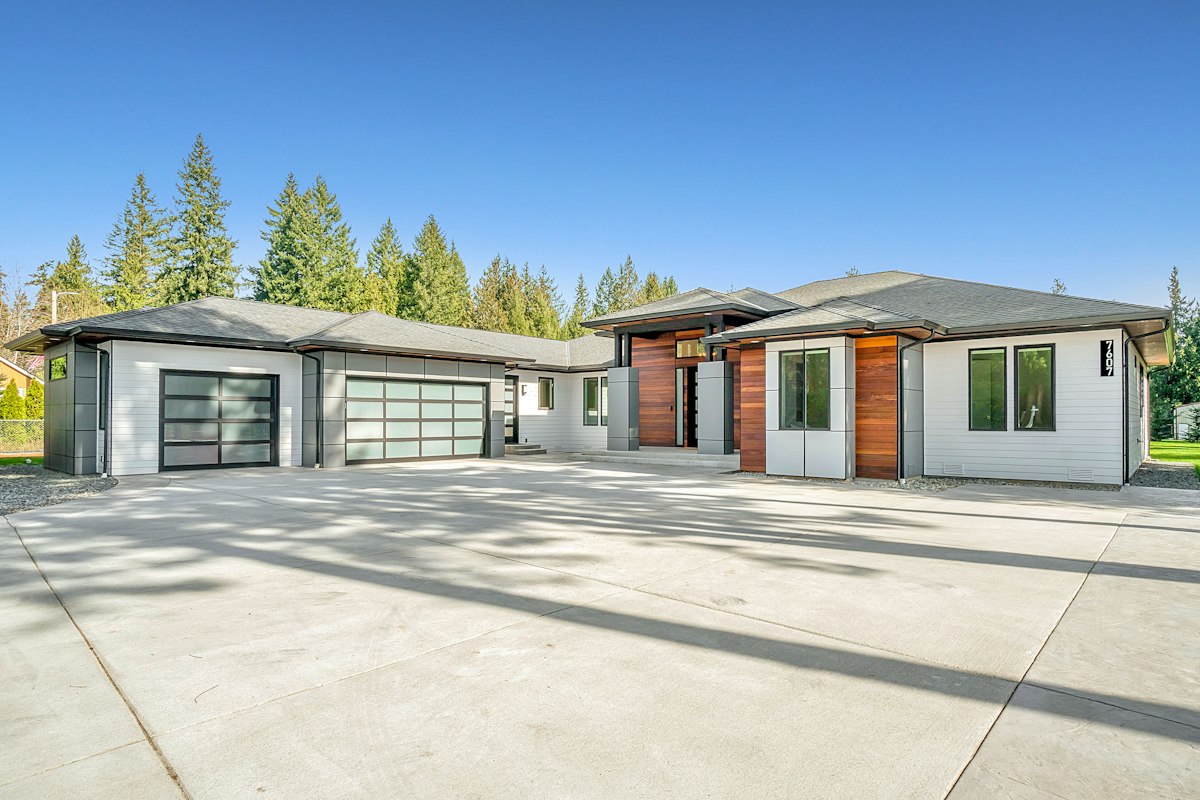
Finding New Construction Near Me: A Comprehensive Look at Buying a Brand New Home
You have likely seen the signs while driving through your community—brightly colored flags fluttering in the wind, promising a fresh start in a neighborhood that didn't exist six months ago. The search for new construction near me often begins with a simple desire for something untouched. There is a specific kind of satisfaction that comes from being the first person to cook a meal in a kitchen or the first to sleep in a master suite. However, the path from browsing a model home to signing a deed involves a unique set of variables that differ significantly from buying a pre-owned property.
When you start looking for new builds, you are not just shopping for a house; you are often shopping for a builder and a long-term vision of a community. The process involves understanding site maps, architectural renderings, and complex contracts that favor the developer. It requires a different mindset—one that balances the excitement of customization with the patience required for construction timelines. This article explores the current landscape of new residential developments, helping you weigh the financial implications and the practical steps needed to secure a quality home.
Related posts
Selling Your Property: How to Find the Best Professional to Buy Your House
Selling a home is often one of the most stressful events in a person's life. Whether you are...
Read more →
Why New Build Homes for Sale Are the Smart Choice for Today's Buyers
Searching for new build homes for sale often feels like looking for a fresh start where everything works...
Read more →
Finding New Construction Homes: A Comprehensive Look at Local Developments
Searching for a home often feels like a full-time job, especially when you are sifting through older properties...
Read more →
Best Companies That Buy Houses for Cash: Comparing Top National Home Buyers
Selling a home through a traditional real estate agent often feels like a marathon you didn't train for....
Read more →Choosing a new construction home means you are opting for modern efficiency and contemporary design. From open-concept floor plans to smart home integration, these properties are built to meet the standards of today's lifestyle. But how do you distinguish a high-quality build from a rushed project? And how do you ensure you are getting a fair price when the builder holds most of the cards? We will break down the costs, the inspection phases, and the negotiation tactics that can save you thousands during the process.
Whether you are looking for a quick move-in spec home or a custom build where you choose every tile and light fixture, understanding the local market is the first step. The availability of land, the reputation of regional builders, and the current interest rate environment all play into your decision. By the end of this discussion, you will have a clearer picture of how to identify the best opportunities in your area and what questions to ask before you step foot in a sales office.
Key takeaways
- Builder Reputation Matters: Always research a builder’s history, past projects, and warranty track record before committing to a specific development.
- Independent Representation is Necessary: The sales agent in the model home works for the builder; having your own buyer's agent ensures your interests are protected during negotiations.
- Inspections are Non-Negotiable: Even brand-new homes can have structural or mechanical flaws, making third-party inspections at different stages of construction essential.
- Budget for Upgrades: The base price rarely includes the high-end finishes seen in model homes, so expect to spend 10% to 20% more on customizations and lot premiums.
The Current State of New Construction Near Me
The demand for new homes has surged as inventory for existing properties remains tight. When you search for new construction near me, you are likely finding three main types of builds: tract homes, spec homes, and fully custom homes. Tract homes are part of large developments where a few floor plans are repeated across the neighborhood. Spec homes are houses that a builder completes before a buyer is found, often featuring popular finishes that appeal to a broad audience. Custom homes, on the other hand, offer the most control but come with the highest price tag and longest wait times.
In many regions, developers are focusing on "infill" projects—building small clusters of homes in established urban or suburban areas—as well as massive master-planned communities on the outskirts of town. These master-planned areas often include amenities like parks, pools, and walking trails, which add significant value to the property. However, they also come with Homeowners Association (HOA) fees that you must factor into your monthly budget. It is important to look at the long-term plan for the area; that empty field across from your potential lot might be slated for a shopping center or a school in three years.
Understanding the Builder's Sales Office
The moment you walk into a model home, you are entering a high-pressure sales environment designed to showcase the best possible version of a property. The furniture is often slightly smaller than standard scale to make rooms look larger, and every upgrade is on display. It is important to remember that the friendly representative greeting you is an employee of the builder. Their job is to get the highest price and the best terms for the company, not for you.
This is why you should bring your own real estate agent on your very first visit. Many builders will refuse to pay your agent's commission if they aren't present when you first register. A buyer's agent who specializes in new construction can help you decode the contract, push for incentives like closing cost credits, and identify which upgrades will actually add resale value to the home in the future.
The Real Cost of a New Build
One of the biggest surprises for buyers looking at new construction near me is the difference between the "starting at" price and the final closing price. The base price typically covers the most basic version of the home on the least desirable lot. Once you start adding the features that make the house feel like a home, the price climbs quickly. Lot premiums are a common added expense; if you want a cul-de-sac location, a larger backyard, or a view of a pond, expect to pay an extra $5,000 to $50,000 or more.
Then there are the design center appointments. This is where you choose your flooring, cabinetry, countertops, and fixtures. It is easy to get carried away when you are looking at beautiful samples. A smart strategy is to prioritize upgrades that are difficult or expensive to change later, such as structural options, electrical wiring, or plumbing. Cosmetic items like light fixtures, hardware, and even some flooring can often be upgraded later at a lower cost by a private contractor after you have moved in.
Financing a New Construction Project
Financing a new build is not always the same as a traditional mortgage. If you are buying a spec home or a tract home that is already under construction, you can usually use a standard conventional or FHA loan. However, if you are building a custom home on your own land, you may need a construction-to-permanent loan. These loans cover the cost of building the house and then transition into a permanent mortgage once the home is finished.
Many builders have "preferred lenders" they want you to use. They might offer significant incentives, such as $10,000 toward closing costs, if you use their lender. While these deals can be attractive, you should still shop around. Sometimes the builder's lender has a higher interest rate or higher fees that offset the initial credit. Always compare the Loan Estimate from the preferred lender with a quote from an independent bank or credit union to ensure you are getting the best deal over the life of the loan.
The Construction Timeline and What to Expect
How long does it take to build a house? If you are buying a home that hasn't started yet, the timeline is usually six to ten months, though supply chain issues and labor shortages can push that to a year or more. If you need to move quickly, look for "quick move-in" or "inventory" homes that are either finished or within 30 days of completion. These homes offer less customization but provide a much more predictable move-in date.
During the build, there are several key milestones you should be aware of. The first is the foundation pour, followed by framing. Once the "bones" of the house are up, the mechanical systems—plumbing, electrical, and HVAC—are installed. This is a great time for a pre-drywall inspection. An independent inspector can check that the wiring is correct and the studs are straight before everything is covered up by walls. After drywall comes the finishing phase: cabinets, flooring, paint, and trim. Finally, the exterior landscaping is completed, and the home undergoes a final inspection by the local municipality to receive a Certificate of Occupancy.
The Importance of Independent Inspections
A common mistake buyers make is assuming that because a home is new and has been checked by city inspectors, it must be perfect. City inspectors are often overworked and only look for basic code compliance. They are not checking for the quality of the finishes or small errors that could lead to big problems later. Hiring your own inspector provides an extra layer of security. They can find things like missing insulation, improperly installed roof flashing, or plumbing leaks that would otherwise go unnoticed until after your warranty expires.
Most builders will allow you to do a "blue tape" walkthrough about a week before closing. This is your chance to walk through the house and mark every scratch on the floor, every ding in the paint, and every cabinet door that doesn't close properly. Do not be shy during this process. You are paying a premium for a new home, and it should meet a high standard of craftsmanship. Ensure the builder agrees to fix these items before you sign the final paperwork.
Negotiating with New Home Builders
Can you negotiate the price of new construction? The answer is: it depends. Builders are generally reluctant to lower the base price of a home because it sets a lower "comp" (comparable sale) for the rest of the neighborhood, which can upset current homeowners and lower the value of future builds. Instead of a price reduction, you might have better luck negotiating for "concessions."
Common concessions include the builder covering all closing costs, throwing in a finished basement at a discount, or providing a credit at the design center. If a community is in its final phase and the builder wants to move on to a new project, they are much more likely to be flexible. Similarly, if a buyer's financing falls through on a spec home, the builder may be eager to sell it quickly to avoid carrying costs, giving you more leverage in the negotiation.
Considering the Warranty
One of the biggest perks of new construction near me is the home warranty. Most builders offer a 1-2-10 warranty: one year for labor and materials (cosmetic issues), two years for mechanical systems (plumbing and electrical), and ten years for major structural defects. It is important to read the fine print of this warranty. Know what is covered and, more importantly, what is not. Some warranties require you to follow specific maintenance schedules to remain valid. Keep a file of all your communications with the builder's warranty department so you have a paper trail if a dispute arises.
The Pros and Cons of Modern Developments
Before you commit, it is worth weighing the advantages and disadvantages of choosing a new build over a resale home. On the positive side, you get the latest energy-efficient windows, insulation, and appliances, which can lead to significantly lower utility bills. You also have the peace of mind that comes with knowing the roof, water heater, and furnace are all brand new and under warranty. From a design perspective, new homes feature the open layouts and large closets that many older homes lack.
On the downside, new construction often means smaller lots. To maximize profit, developers frequently squeeze homes closer together. You may also have to deal with a lack of mature trees and the ongoing noise and dust of construction if the neighborhood is still being built out. Additionally, new homes can sometimes feel "cookie-cutter" if there isn't enough architectural variety in the development. Finally, you must consider the "settling" period; as the house settles into the ground over the first year, small cracks in the drywall or gaps in the trim are common and will need to be addressed.
Frequently Asked Questions
Do I really need a real estate agent for new construction?
Yes, having your own agent is highly recommended. The builder's sales representative is there to protect the builder's interests, not yours. An experienced buyer's agent can help you negotiate upgrades, navigate the contract, and ensure that your home is being built to the promised standards. In most cases, the builder pays the agent's commission, so the service is free to you as the buyer.
How do I find the best builders in my area?
Start by looking at online reviews and checking with the local Better Business Bureau. However, the best way to judge a builder is to visit their older communities. Drive through a neighborhood they built five or ten years ago. Do the homes still look good? Are the homeowners happy? You can also check local court records to see if the builder has been involved in any major lawsuits regarding construction defects.
Are closing costs higher for new construction?
They can be. In some regions, builders pass on certain fees to the buyer that are traditionally paid by the seller in a resale transaction, such as transfer taxes or development fees. However, many builders offer incentives that cover a portion or all of your closing costs if you use their preferred lender. Always review the closing disclosure carefully to understand every fee being charged.
What is a lot premium and is it worth it?
A lot premium is an extra fee charged for a specific piece of land within a development that is considered more desirable. This might be because the lot is larger, on a corner, backs up to woods, or is in a quiet cul-de-sac. Whether it is worth it depends on your priorities and how long you plan to stay in the home. A better lot can improve your quality of life and potentially make the home easier to sell in the future.
Can I change my mind about upgrades after the contract is signed?
Usually, there is a very strict cutoff date for making changes. Once the builder orders materials and schedules subcontractors, changes become difficult and expensive. If a builder does allow a change after the deadline, they will likely charge a "change order fee" in addition to the cost of the upgrade itself. It is best to be 100% certain of your choices before you finalize your design center selections.
Conclusion
Searching for new construction near me is an exciting journey that offers the chance to create a living space tailored to your exact needs. While the process is more complex than a traditional home purchase, the rewards of energy efficiency, modern design, and a comprehensive warranty are significant. By doing your homework on local builders, securing independent representation, and staying disciplined during the design process, you can find a home that provides both comfort and long-term value. Remember to look beyond the shiny finishes of the model home and focus on the quality of the construction and the future of the community. With the right approach, your brand-new home will be a source of pride for years to come.