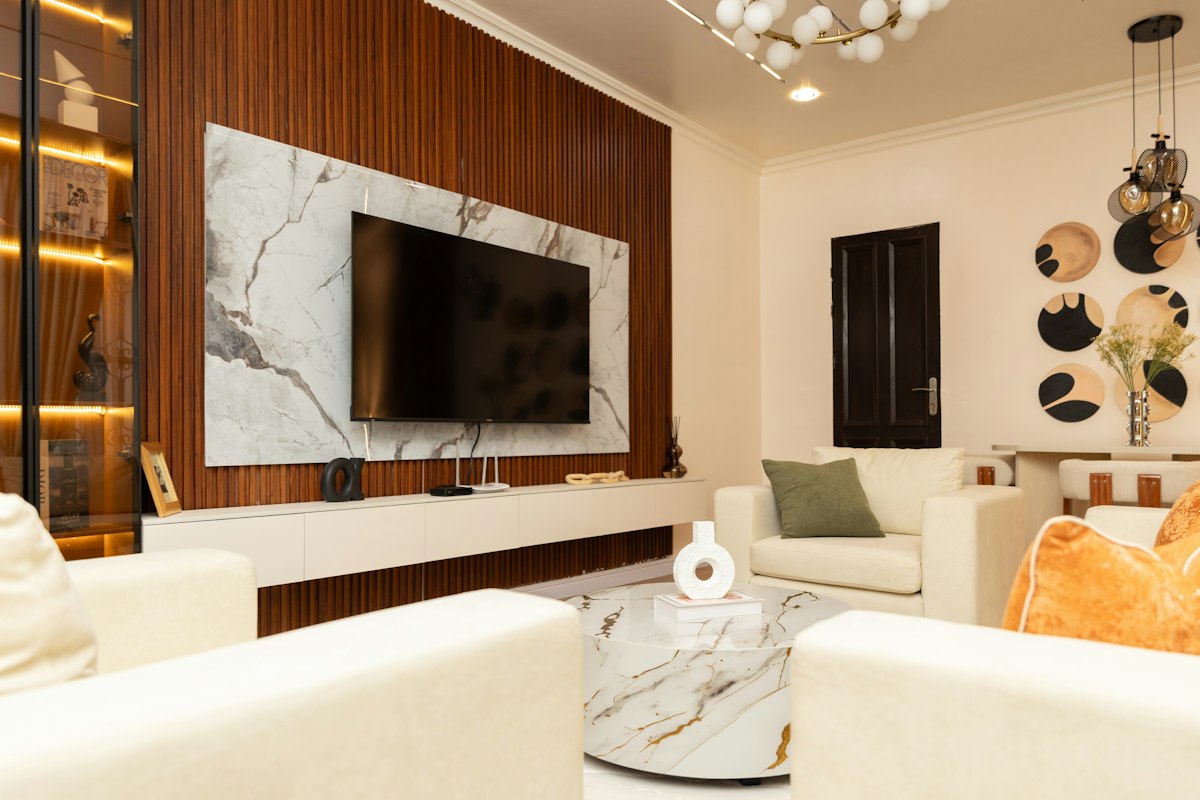
Centralized Smart Climate Control for Villas: Elevating Comfort and Efficiency in Large Estates
Managing the internal temperature of a sprawling villa presents challenges that standard residential thermostats simply cannot meet. When a property spans several thousand square feet with multiple floors, guest wings, and high-ceilinged common areas, a fragmented approach to heating and cooling leads to uneven comfort and staggering energy bills. Homeowners often find themselves performing a daily marathon, manually adjusting various wall units to compensate for the afternoon sun or the evening chill. This inefficiency is exactly why centralized smart climate control has become a standard requirement for modern luxury estates.
A centralized system does more than just aggregate controls onto a single screen. It serves as the brain of the home’s mechanical systems, coordinating air conditioning, underfloor heating, ventilation, and even humidity levels across distinct zones. By integrating these functions, villa owners can ensure that the master suite remains cool for sleep while the living areas stay temperate for daytime use, all without wasting energy on unoccupied guest rooms. The goal is to move away from reactive adjustments toward a proactive, automated environment that anticipates the needs of the residents.
Related posts
Professional Automated Sliding Gate Barrier Installation: Technical Requirements and Best Practices
Securing a property perimeter requires more than just a physical barrier; it demands a seamless integration of mechanical...
Read more →
Securing Your Perimeter: The Power of Biometric Smart Door Locks for Main Gates
Your main gate isn't just an entry point; it's the critical first line of defense for your property....
Read more →Heavy-Duty Motorized Curtain Track Installation: Structural Mounting, Wiring, and Setup
Hanging heavy velvet drapes, multi-layer acoustic theater curtains, or massive floor-to-ceiling glass wall coverings requires hardware that goes...
Read more →
Modernizing Boundary Defense with AI Perimeter CCTV Security Camera Systems
Securing a large property used to mean hiring a small army of guards or dealing with a constant...
Read more →This article explores the technical architecture, practical benefits, and implementation strategies for centralized climate management in high-end residential properties. We will examine how professional-grade automation protocols differ from consumer-grade gadgets and why the right infrastructure is essential for long-term property value. Whether you are in the middle of a new build or looking to retrofit an existing estate, understanding the nuances of large-scale climate integration is the first step toward a truly intelligent home.
Key takeaways
- Precision Zonal Management: Centralized systems allow for granular control over individual rooms, ensuring energy is only used where and when it is needed.
- Seamless Integration: High-end solutions link HVAC with motorized shades and lighting to manage thermal gain naturally and reduce mechanical load.
- Remote Oversight: Property owners can monitor and adjust climate settings from anywhere in the world, which is essential for vacation homes and second residences.
- Increased Equipment Longevity: By optimizing run times and reducing short-cycling, centralized control extends the lifespan of expensive HVAC hardware.
The Architecture of Centralized Villa Climate Systems
In a standard home, you might find a simple split-unit air conditioner or a single-stage furnace. In a villa, the hardware is significantly more complex. Most large estates utilize Variable Refrigerant Flow (VRF) or Variable Refrigerant Volume (VRV) systems. These systems are capable of cooling one room while heating another, making them incredibly efficient but also complex to manage. A centralized smart controller acts as the bridge between this sophisticated hardware and the user interface.
The backbone of these systems usually relies on robust communication protocols such as KNX, BacNet, or LonWorks. Unlike Wi-Fi-based consumer products that can struggle with the thick stone or concrete walls often found in luxury villas, these hardwired protocols offer 100% reliability. They ensure that when you press a button in the kitchen, the air handler in the distant north wing responds instantly. This reliability is the hallmark of a professional installation compared to a DIY smart home setup.
The Role of the Automation Hub
The automation hub, such as those provided by Control4, Crestron, or Savant, serves as the primary interface. It translates your commands into the specific language the HVAC equipment understands. This layer of abstraction is important because it allows the homeowner to use a single, elegant app or wall-mounted touch panel to control different brands of equipment. For instance, your underfloor heating might be from one manufacturer, while your ducted cooling is from another. Centralization brings them into one unified ecosystem.
Strategic Zonal Control for Diverse Living Spaces
One of the most significant advantages of centralized smart climate control for villas is the ability to create customized schedules for different zones. A villa is rarely occupied in its entirety at all times. Guest suites may sit empty for weeks, while the home office is only used during business hours. A centralized system allows for "occupancy-based logic," where sensors detect movement or CO2 levels and adjust the climate accordingly.
Consider the thermal dynamics of a large villa. The southern side might have massive glass facades that soak up solar heat throughout the day, while the northern side remains shaded and cool. A centralized system can use external temperature sensors and solar tracking to proactively lower the blinds and increase cooling in the southern zones before the rooms become uncomfortably hot. This preventive approach is far more efficient than trying to cool down a room that has already reached high temperatures.
Managing Specialized Environments
Villas often include specialized rooms that require precise climate parameters. Wine cellars, private cinemas, and indoor gyms each have unique requirements. A centralized system can maintain a steady 55 degrees Fahrenheit and 60% humidity in the wine cellar while simultaneously keeping the gym at a crisp 68 degrees with high ventilation rates. Trying to manage these disparate needs with standalone controllers is a recipe for maintenance headaches and potential damage to sensitive collections.
Energy Efficiency and Operational Cost Reduction
It is no secret that cooling and heating a 10,000-square-foot property is expensive. However, much of that expense is often the result of poor management rather than actual necessity. Centralized control eliminates the "human error" factor. It prevents situations where the heating and cooling systems are fighting each other—a common occurrence in large homes where different thermostats are set to conflicting temperatures.
By implementing setback temperatures, the system can automatically drift to a more energy-efficient state when the house is empty. For villa owners who travel frequently, the "Away Mode" is a game-changer. With one tap, the entire estate enters a dormant state, maintaining just enough climate control to prevent mold growth or pipe freezes, while slashing energy consumption. The system can then be triggered to return to "Comfort Mode" a few hours before the owner arrives home, ensuring a perfect environment upon entry.
The Impact of Motorized Shading Integration
Smart climate control does not work in a vacuum. In a truly integrated villa, the HVAC system works in tandem with motorized window treatments. During the summer, the system can close the drapes on the sun-exposed side of the house to block radiant heat, significantly reducing the load on the air conditioning. In the winter, the reverse happens: the system opens the shades to let the sun naturally warm the interior. This synergy is only possible through a centralized control platform that sees the home as a single, holistic organism.
User Interface and Aesthetic Integration
In a luxury villa, aesthetics are just as important as functionality. Traditional HVAC controllers are often bulky, plastic eyesores that clash with high-end interior design. Centralized systems solve this by moving the bulky hardware to a mechanical room or data closet. All that remains in the living space are elegant, customizable keypads or discreet flush-mounted sensors.
These keypads can be finished in materials that match the home’s decor—brushed brass, hand-stitched leather, or minimalist stone. Furthermore, because the system is centralized, you can reduce "wall acne" (the clutter of multiple switches for lights, music, and climate). A single keypad can have a "Morning" button that raises the shades, turns on the lights, and adjusts the temperature to your preferred breakfast setting.
Professional Installation and Maintenance Considerations
Implementing centralized smart climate control for villas is not a weekend project. It requires a professional integrator who understands both the mechanical side (HVAC) and the digital side (Automation). The design phase should ideally begin during the architectural planning of the villa to ensure that the necessary wiring and sensor placements are accounted for.
When considering the budget, owners should expect to invest in both hardware and programming. While the initial cost is higher than basic thermostats, the return on investment comes through energy savings, increased property value, and reduced wear and tear on the HVAC plant. Regular maintenance is also simplified; many centralized systems allow for remote diagnostics, meaning a technician can often identify and fix a software glitch or sensor error without ever stepping foot on the property.
Frequently Asked Questions
Can I retrofit a centralized system into an older villa?
Yes, retrofitting is possible, though it may require a hybrid approach. While hardwired systems are preferred for new builds, advanced wireless protocols like Zigbee or specialized retrofit modules can be used to bring older HVAC units into a centralized platform. The key is ensuring the existing mechanical equipment is compatible with modern control interfaces.
How much does a centralized climate system for a villa typically cost?
Costs vary widely based on the size of the villa and the complexity of the HVAC system. For a medium-to-large villa, a professional centralized control layer can range from $10,000 to over $50,000. This includes the automation processors, high-end thermostats or sensors, and the professional programming required to make the system intuitive and efficient.
Does centralized control require an internet connection to function?
The core logic of a professional centralized system resides locally on the home’s processor. This means that even if your internet goes down, your schedules, wall keypads, and automation logic will continue to function perfectly. An internet connection is only required for remote access via your smartphone and for receiving software updates.
Is it difficult for guests or staff to use these systems?
One of the primary goals of a well-programmed centralized system is simplicity. While the underlying technology is complex, the user interface should be intuitive. Most integrators design "Guest Modes" that limit access to certain settings or provide simplified touchscreens that anyone can operate without a manual. Physical keypads with etched buttons like "Warmer" or "Cooler" are also very effective for temporary residents.
Conclusion
Centralized smart climate control for villas is more than a luxury; it is a practical necessity for managing the scale and complexity of a large estate. By unifying disparate heating and cooling components into a single, intelligent network, property owners gain unprecedented control over their environment. This technology eliminates the inefficiencies of manual management, protects the home’s interior from thermal stress, and provides a level of comfort that matches the architectural grandeur of the property.
Moving forward with such a system requires a focus on robust infrastructure and professional integration. By prioritizing hardwired reliability and intuitive user interfaces, you ensure that your villa remains a sanctuary of comfort for decades to come. The transition from a collection of thermostats to a centralized climate brain is an investment that pays dividends in convenience, sustainability, and peace of mind.