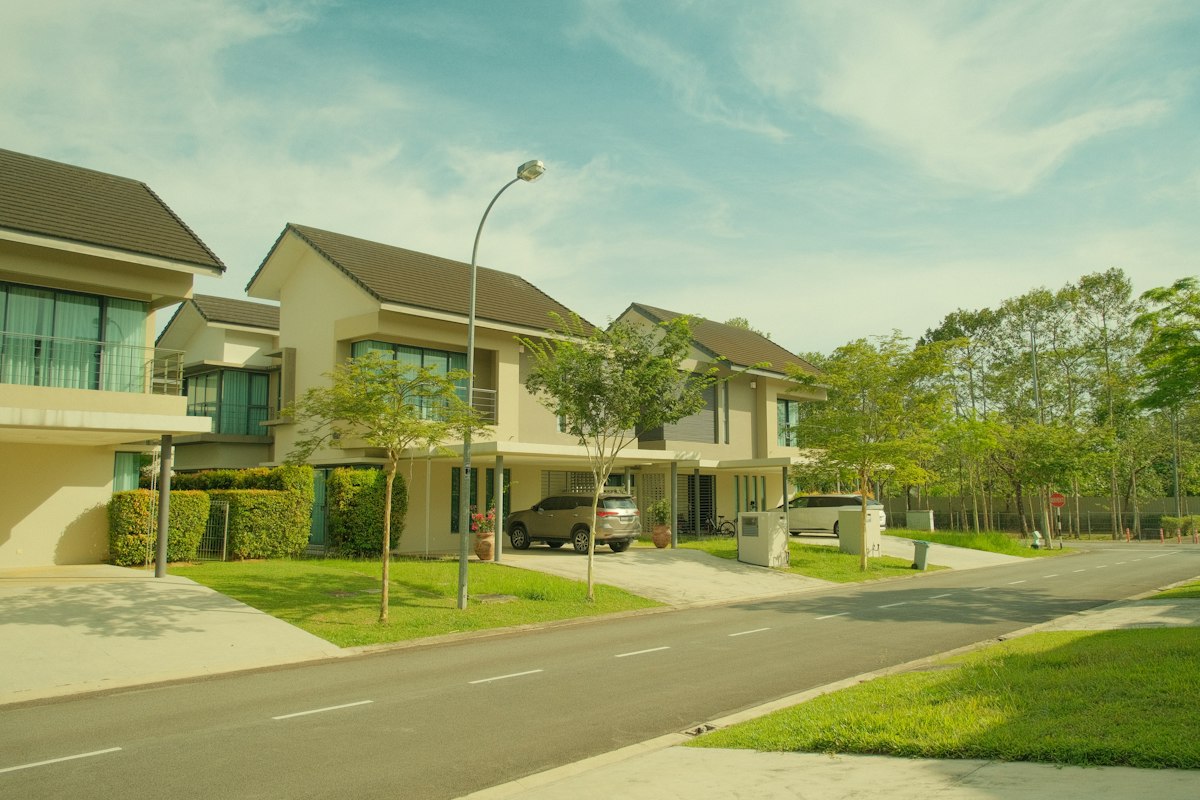
Finding New Construction Homes: A Comprehensive Look at Local Developments
Searching for a home often feels like a full-time job, especially when you are sifting through older properties that require immediate renovations. When you type "new builds near me" into a search engine, you are likely looking for a fresh start. You want a space where no one else has lived, where the systems are modern, and where the maintenance burden is low for at least the first few years. It is a specific kind of search that requires a different set of tools and a more nuanced understanding of the local real estate market than buying a traditional resale home.
The current market for new construction is evolving rapidly. Builders are responding to a shift in buyer priorities, focusing more on energy efficiency, integrated smart home technology, and flexible floor plans that accommodate remote work. However, finding these gems isn't always as simple as looking at a standard listing site. Many new developments are sold before they are even fully listed, or they are marketed through specific builder portals that don't always sync perfectly with the major aggregators. This means your search needs to be proactive and informed by local insights.
Related posts
Selling Your Property: How to Find the Best Professional to Buy Your House
Selling a home is often one of the most stressful events in a person's life. Whether you are...
Read more →
Why New Build Homes for Sale Are the Smart Choice for Today's Buyers
Searching for new build homes for sale often feels like looking for a fresh start where everything works...
Read more →
Finding New Construction Near Me: A Comprehensive Look at Buying a Brand New Home
You have likely seen the signs while driving through your community—brightly colored flags fluttering in the wind, promising...
Read more →
Best Companies That Buy Houses for Cash: Comparing Top National Home Buyers
Selling a home through a traditional real estate agent often feels like a marathon you didn't train for....
Read more →This discussion will cover the practicalities of identifying high-quality developments in your immediate area. We will look at why the "new build" path might be the right financial move for you, the different stages of construction you might encounter, and how to evaluate a builder's reputation before you sign a contract. Whether you are looking for a sleek urban townhouse or a sprawling suburban family home, understanding the landscape of local construction is the first step toward a successful purchase.
Buying a new build involves a unique set of variables, from construction timelines to "snagging" lists and builder warranties. It is not just about the final product; it is about the process of bringing that property to life. By the end of this article, you will have a clear framework for evaluating the new homes popping up in your neighborhood and the confidence to engage with developers on your own terms.
Key takeaways
- Energy Efficiency and Tech: Modern builds often feature superior insulation, high-efficiency appliances, and pre-wired smart home systems that reduce long-term utility costs.
- Customization Opportunities: Depending on the stage of construction, you may be able to select finishes, flooring, and layouts that reflect your personal style.
- Warranty Protection: Most new homes come with structural warranties, providing peace of mind that older homes simply cannot offer without expensive insurance riders.
- Financial Incentives: Builders often provide significant incentives, such as closing cost credits or interest rate buy-downs, to attract buyers to new developments.
The Appeal of New Construction in Today's Market
Why are so many buyers specifically looking for new builds near them right now? The answer usually comes down to predictability. When you buy a home that was built forty years ago, you are inheriting decades of someone else's maintenance choices—or lack thereof. With a new build, you are the first person to use the HVAC system, the first person to cook on the stove, and the first person to experience the layout. This lack of "house history" is a massive draw for those who want to spend their weekends relaxing rather than fixing leaky pipes.
Beyond the lack of wear and tear, modern building codes have advanced significantly. Homes built today are subject to much stricter regulations regarding fire safety, structural integrity, and environmental impact. This often results in a home that is quieter, more comfortable, and significantly cheaper to heat and cool. For many, the slightly higher purchase price of a new build is offset by the lower monthly operating costs and the absence of a "renovation fund" requirement in the family budget.
The Shift Toward Smart Living
Builders have finally caught up with the demand for integrated technology. While you can certainly retrofit an old house with smart thermostats and security cameras, new builds often feature these systems as part of the core infrastructure. We are seeing more homes with built-in EV charging ports in the garage, high-speed fiber optic connections pre-installed, and central hubs that control everything from lighting to irrigation. This level of integration is difficult and expensive to achieve in a resale property.
Types of New Builds You Will Encounter
When you start looking for "new builds near me," you will quickly realize that not all developments are the same. Understanding the category of the home you are looking at will help you manage your expectations regarding price and move-in dates.
Spec Homes (Move-in Ready)
A "spec" or speculative home is a property that a builder has constructed without a specific buyer in mind. These are often completed or very near completion. The advantage here is speed. If you need to move quickly, a spec home allows you to skip the long construction wait times. The trade-off is that the builder has already chosen the finishes—the cabinets, the flooring, and the paint colors are already decided. However, for many, the convenience of a brand-new home that is ready for furniture is worth the lack of customization.
Semi-Custom Homes
This is perhaps the most common type of new build found in suburban developments. The builder has a set of pre-approved floor plans, but you get to choose from a menu of options. You might decide to turn a fourth bedroom into a home office, or you might upgrade the kitchen to include professional-grade appliances. This offers a balance between the structure of a planned community and the personal touch of a custom home.
Fully Custom Builds
If you have a very specific vision and a larger budget, a fully custom build is the pinnacle of the market. This involves purchasing a plot of land and hiring an architect and a builder to create something unique. While this provides the most control, it also carries the highest risk and the longest timelines. Managing a custom build requires a significant time investment and a high tolerance for the complexities of the permitting and construction process.
How to Find New Builds Near You
The standard real estate apps are a good starting point, but they rarely tell the whole story. Many builders prefer to sell through their own sales offices and websites to avoid high commission fees on every listing. To find the best options, you need to expand your search strategy.
Start by looking at local planning commission websites. These public records show where new permits have been issued and where future developments are planned. This can give you a head start on communities that haven't even broken ground yet. Additionally, driving through the areas where you want to live is still one of the most effective methods. Look for "Coming Soon" signs and visit the sales trailers parked on-site. These on-site agents often have information about upcoming phases of the project that aren't yet available online.
Another effective strategy is to follow local developers on social media. Many smaller, boutique builders use platforms like Instagram to showcase their progress and announce "pre-sale" events. These events are often where the best lots and the most aggressive pricing are found. If you wait until a home is finished and listed on a major portal, you might have already missed the best deals.
Evaluating the Builder's Reputation
A new home is only as good as the company that built it. When you are looking at new builds, you aren't just buying a house; you are entering into a multi-year relationship with a developer. You need to know that they will stand by their work if a problem arises six months after you move in.
Check their history. How long have they been operating in your area? Do they have a track record of completing projects on time? Don't just look at the glossy brochures; visit their older developments. If a neighborhood they built five years ago is already showing signs of poor construction—like cracking driveways or siding issues—that is a major red flag. Talk to current residents if you can. Most people are more than happy to share their experiences, both good and bad, with their builder's customer service department.
Financial Considerations for New Construction
The pricing of a new build is often more transparent than a resale home, but the financing can be more complex. Builders often have "preferred lenders" they want you to use. While you are not required to use them, these lenders often offer incentives like lower interest rates or a contribution toward your closing costs. This is because the builder has a streamlined process with that lender, ensuring the deal closes on time.
However, you must be careful with "upgrades." The base price of a new home is often for the most basic finishes. Once you start adding quartz countertops, hardwood floors, and premium lighting, the price can skyrocket. It is easy to get carried away in a design center and end up with a home that is priced well above the neighborhood's appraisal value. Always keep a close eye on your budget and ask for a detailed price list for every modification you consider.
The Construction Timeline and the Snagging Process
If you are buying a home that hasn't been built yet, you need to be prepared for delays. Weather, supply chain issues, and labor shortages can all push back your move-in date. It is wise to have a flexible living situation during this period. Avoid giving notice on your current rental or selling your current home until you have a firm closing date from the builder.
One of the most important steps in the process is the "snagging" list. This is a final walkthrough where you and the builder identify any minor defects—scratches on the floor, a door that doesn't close properly, or a missed paint spot. Do not be afraid to be meticulous. This is your opportunity to ensure everything is perfect before you take possession. Many buyers even hire a professional snagging inspector to catch technical issues that a layperson might miss, such as insulation gaps or minor plumbing leaks.
FAQ
Are new build prices negotiable?
While builders are often reluctant to drop the base price of a home—as it affects the appraisal value of future homes in the development—they are often very willing to negotiate on upgrades or closing costs. You might get $10,000 in free kitchen upgrades or a significant credit toward your mortgage points, which can save you more money in the long run than a small reduction in the purchase price.
Do I need a real estate agent for a new build?
Yes, it is highly recommended. The sales agent in the builder's office represents the builder, not you. Having your own agent ensures you have someone looking out for your interests during contract negotiations and the inspection process. In most cases, the builder pays your agent's commission, so it is a service that costs you nothing but provides significant protection.
How long does the builder's warranty last?
Warranty terms vary by builder and location, but a common structure is the "1-2-10" rule. This typically covers one year for workmanship and materials, two years for mechanical systems (like HVAC and plumbing), and ten years for major structural defects. Always read the specific warranty document provided by the builder to understand what is and isn't covered.
Is a home inspection necessary for a brand-new house?
Absolutely. Just because a home is new doesn't mean it is perfect. Municipal building inspectors check for code compliance, but they don't look for quality of finish or minor functional issues. An independent inspector can verify that the roof was installed correctly, the attic is properly vented, and all electrical outlets are wired safely. It is a small investment for peace of mind.
What are the hidden costs of a new build?
Common hidden costs include landscaping, window treatments (blinds and curtains), and appliances that might not be included in the base price, like a refrigerator or washer/dryer. Additionally, you should account for potential increases in property taxes, as the tax assessment will jump significantly once the land is improved with a new home.
Conclusion
Finding the right new builds near you is about balancing the desire for a modern, efficient home with the realities of the local construction market. It requires a proactive search strategy, a critical eye for builder quality, and a firm grasp of the financial incentives available. While the process differs from buying a traditional home, the rewards of being the first owner of a property are substantial. By focusing on reputable developers and staying involved in every step—from the initial floor plan choice to the final snagging inspection—you can secure a property that offers both immediate comfort and long-term value. Take your time, ask the right questions, and don't be afraid to demand the quality you deserve in your new home.